- Elegant designs inspire homes with sankrasuk.co.uk, creating captivating spaces
- The Art of Curated Interiors
- The Importance of Lighting
- The Role of Texture and Materiality
- Integrating Natural Elements
- Creating Functional and Flowing Spaces
- Optimizing Small Spaces
- The Timeless Appeal of Classic Design Elements
- Beyond Aesthetics: Designing for Well-being
Elegant designs inspire homes with sankrasuk.co.uk, creating captivating spaces
Creating a home that truly reflects your personality and style often requires a keen eye for design and access to inspiring pieces. Many homeowners dedicate significant time and resources to transforming their living spaces into havens of comfort and aesthetic appeal. Fortunately, resources like sankrasuk.co.uk are available, offering a curated selection of elegant designs intended to elevate the look and feel of any home. From furniture and lighting to decorative accessories, the right elements can make all the difference.
The pursuit of a beautifully designed home extends beyond simply acquiring stylish items. It’s about creating a cohesive atmosphere, carefully considering color palettes, textures, and spatial arrangements. A well-designed space should not only be visually pleasing, but also functional and conducive to relaxation and enjoyment. This involves understanding personal preferences, lifestyle needs, and the architectural characteristics of the home. Whether embracing a minimalist aesthetic, a cozy rustic vibe, or a sophisticated modern look, the key is to curate a space that feels authentically you.
The Art of Curated Interiors
Interior design has evolved from a focus on purely aesthetic concerns to a holistic approach considering the well-being and lifestyle of the inhabitants. The modern homeowner isn't simply seeking beautiful objects; they’re seeking solutions to enhance their daily lives. This means prioritizing functionality, comfort, and a sense of calm within the home. A well-designed interior seamlessly integrates these elements, creating a space that is both visually appealing and profoundly livable. The influence of Scandinavian design, with its emphasis on simplicity, natural materials, and hygge (a sense of coziness and well-being), is significantly contributing to this trend. There is a desire for spaces that feel uncluttered, bright, and inviting, fostering a sense of peace and tranquility. Furthermore, personalization is paramount; individuals are increasingly seeking to incorporate pieces that reflect their unique stories and experiences.
The Importance of Lighting
Lighting is often underestimated, yet it plays a crucial role in shaping the atmosphere of a room. Beyond simply providing illumination, lighting can create mood, highlight architectural features, and enhance the overall aesthetic. Layering different types of lighting – ambient, task, and accent – is essential for achieving a balanced and inviting scheme. Ambient lighting provides general illumination, task lighting focuses on specific activities (such as reading or cooking), and accent lighting draws attention to artwork or other decorative elements. Choosing the right light fixtures, considering factors like color temperature and intensity, is critical. Warm, soft lighting creates a cozy and relaxing atmosphere, while cool, bright lighting is better suited for work areas. Selecting fixtures that complement the overall style of the room further elevates the design.
| Lighting Type | Purpose |
|---|---|
| Ambient | General Illumination |
| Task | Specific Activities |
| Accent | Highlighting Features |
A thoughtful lighting plan can transform a space, making it feel larger, more inviting, and more functional. It’s a powerful tool in the interior designer’s arsenal, often making a dramatic difference with relatively minimal investment.
The Role of Texture and Materiality
The way materials feel and interact with light is a significant aspect of creating a captivating interior. Texture adds depth and visual interest, preventing a space from feeling flat or sterile. Incorporating a variety of textures – from soft fabrics and plush rugs to rough-hewn wood and smooth metal – creates a dynamic and engaging environment. Materiality also plays a critical role in conveying a specific aesthetic. For example, natural materials like wood, stone, and linen evoke a sense of warmth and organic beauty, while sleek glass and polished chrome create a more modern and sophisticated look. The careful selection of materials should align with the overall design vision and reflect the desired mood and atmosphere. Sustainability is also becoming an increasingly important consideration when choosing materials, with many homeowners opting for eco-friendly options that minimize environmental impact. Considering the origin and manufacturing process of materials contributes to a more conscious and responsible approach to interior design.
Integrating Natural Elements
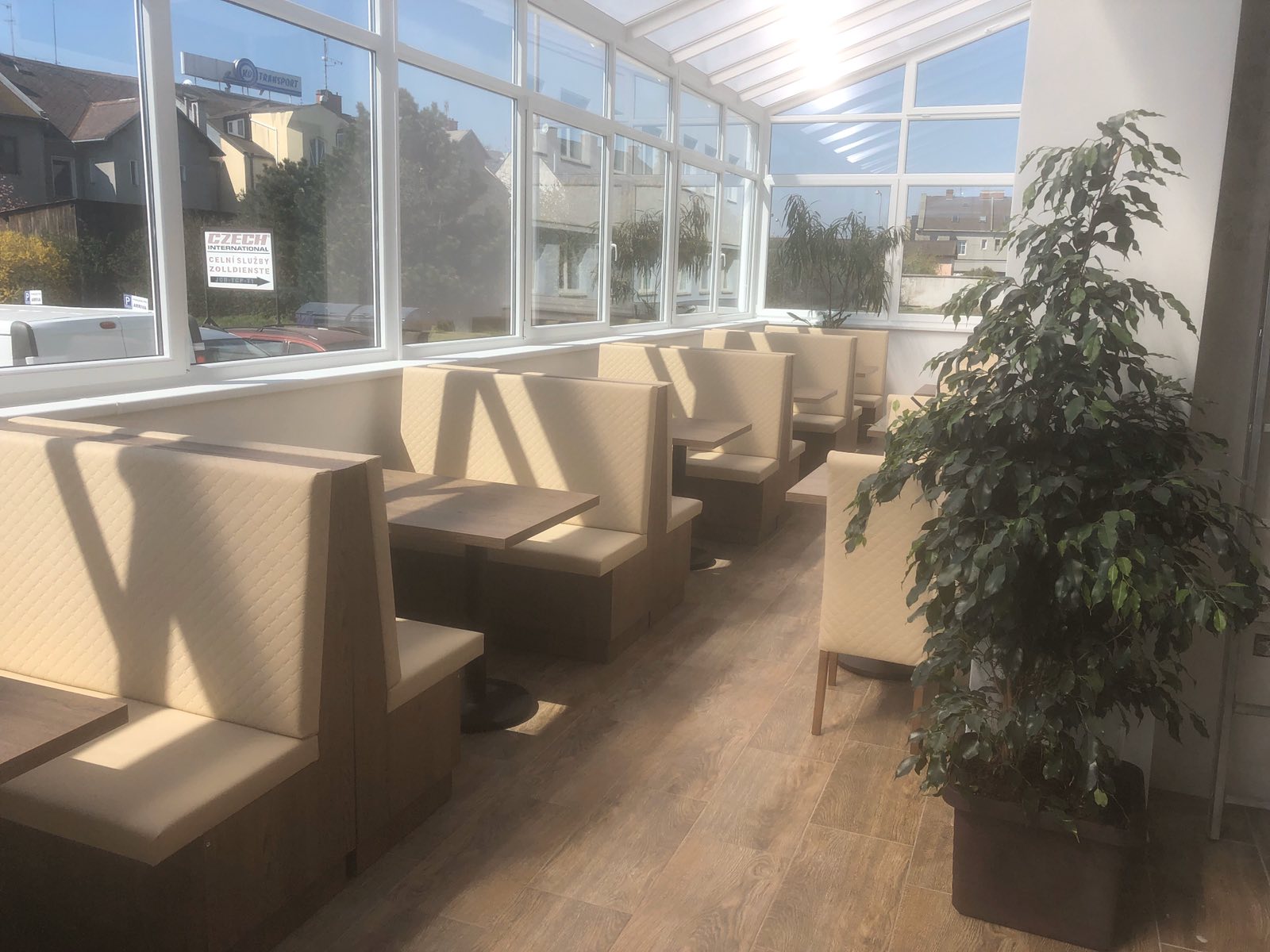
Bringing the outdoors in is a powerful way to enhance the feeling of well-being and connection to nature. Incorporating natural elements like plants, wood, and stone can create a calming and restorative environment. Plants not only add visual appeal but also improve air quality and contribute to a sense of tranquility. Wood, with its inherent warmth and texture, adds a grounding element to any space. Stone, whether used for flooring, walls, or decorative accents, brings a sense of permanence and natural beauty. Natural light is also crucial; maximizing exposure to sunlight can significantly improve mood and energy levels. Consider using sheer curtains or blinds to filter light gently and create a soft, inviting glow. These elements combine to create a space that feels both aesthetically pleasing and deeply connected to the natural world.
- Utilize indoor plants for air purification and visual appeal.
- Incorporate wood elements for warmth and texture.
- Introduce stone accents for a natural and grounding feel.
- Maximize natural light exposure with sheer window coverings.
Successfully incorporating these elements requires a delicate balance, ensuring that the natural and man-made aspects coexist harmoniously. This thoughtful approach transforms a house into a true home.
Creating Functional and Flowing Spaces
A beautifully designed home is not only aesthetically pleasing but also highly functional. The layout and flow of spaces should support daily activities and promote a sense of ease and efficiency. Consider how different areas of the home connect to one another and how people move through them. Open-plan layouts can create a sense of spaciousness and promote social interaction, while more defined spaces offer privacy and intimacy. Effective space planning involves carefully considering the placement of furniture, ensuring there is ample room for movement and avoiding overcrowding. Storage solutions are also essential; incorporating built-in shelving, cabinets, and other storage options helps to keep clutter at bay and maintain a sense of order. The goal is to create a home that feels both comfortable and practical, effortlessly supporting the lifestyle of its inhabitants. Remember to think about the natural light sources and how to best utilize them in each space.
Optimizing Small Spaces
Maximizing functionality in smaller homes or apartments requires creative thinking and a strategic approach to space planning. Multi-functional furniture, such as sofa beds or storage ottomans, can help to make the most of limited square footage. Vertical space is often underutilized; utilizing tall bookshelves or cabinets can provide ample storage without taking up valuable floor space. Mirrors can create the illusion of more space and bounce light around the room, making it feel brighter and more open. Neutral color palettes can also help to create a sense of spaciousness. Decluttering is paramount; regularly removing items that are no longer needed or used can significantly improve the overall feel of a small space. A well-organized and thoughtfully designed small space can be just as comfortable and inviting as a larger home. It also helps to implement a conscious approach to possessions.
- Utilize multi-functional furniture.
- Maximize vertical storage.
- Incorporate mirrors to create the illusion of space.
- Employ neutral color palettes.
- Regularly declutter.
By carefully considering these factors, even the smallest of spaces can be transformed into a stylish and functional haven.
The Timeless Appeal of Classic Design Elements
While trends come and go, certain design elements possess a timeless quality that transcends fleeting fads. Investing in classic pieces and incorporating enduring design principles can create a home that feels both stylish and enduring. Neutral color palettes, such as creams, grays, and beiges, provide a versatile backdrop for layering textures and adding pops of color. Quality craftsmanship and durable materials ensure that furniture and accessories will withstand the test of time. Symmetry and balance create a sense of harmony and visual appeal. Classic architectural details, such as crown molding or wainscoting, add character and sophistication. These elements combine to create a home that feels both elegant and inviting, a space that will remain stylish for years to come. These principles are expertly applied at sankrasuk.co.uk offering enduring pieces.
Timeless design isn’t about replicating the past; it’s about drawing inspiration from classic principles and adapting them to contemporary lifestyles. It’s about creating a home that feels both rooted in tradition and perfectly suited to the present moment. A curated approach, focusing on quality over quantity, is key to achieving this aesthetic.
Beyond Aesthetics: Designing for Well-being
The most successful interior designs aren't merely visually appealing; they actively contribute to the well-being of those who inhabit the space. This involves considering factors like air quality, noise levels, and the psychological impact of colors and textures. Utilizing natural, non-toxic materials can create a healthier indoor environment. Incorporating elements that promote relaxation, such as comfortable seating, soft lighting, and calming colors, can reduce stress and enhance a sense of peace. Personalization is also crucial; surrounding yourself with objects that hold meaning and evoke positive emotions can create a more uplifting atmosphere. A well-designed home should be a sanctuary, a place where you can recharge, reconnect with yourself, and live your best life. Think about the spaces where you spend the most time and how you can optimize them for comfort and functionality. Consider the impact of each design choice on your overall sense of well-being. Ultimately, the goal is to create a home that supports your physical and emotional health. When considering your options, resources such as sankrasuk.co.uk can assist in finding the perfect pieces.
Understanding the interplay between interior design and human psychology is key to creating a truly holistic and enriching living environment. It’s about recognizing that a home is more than just a building; it’s a reflection of who you are and a foundation for a fulfilling life.